

Plan your next trip to India’s most iconic destinations. We cover famous temples, heritage cities, and scenic spots—perfectly tailored to make your travel experience fulfilling and smooth.

Kashi Vishwanath Temple in Varanasi is a revered shrine dedicated to Lord Shiva and one of the twelve Jyotirlingas. Situated on the banks of the holy Ganges, it holds immense religious significance. The temple has been a center of Hindu spirituality for centuries, attracting devotees seeking salvation. Its golden spire, rich history, and sacred rituals make it a must-visit destination for pilgrims and tourists from across the world.
Kashi Vishwanath Temple in Varanasi is a revered shrine dedicated to Lord Shiva and one of the twelve Jyotirlingas. Situated on the banks of the holy Ganges, it holds immense religious significance. The temple has been a center of Hindu spirituality for centuries, attracting devotees seeking salvation. Its golden spire, rich history, and sacred rituals make it a must-visit destination for pilgrims and tourists from across the world.
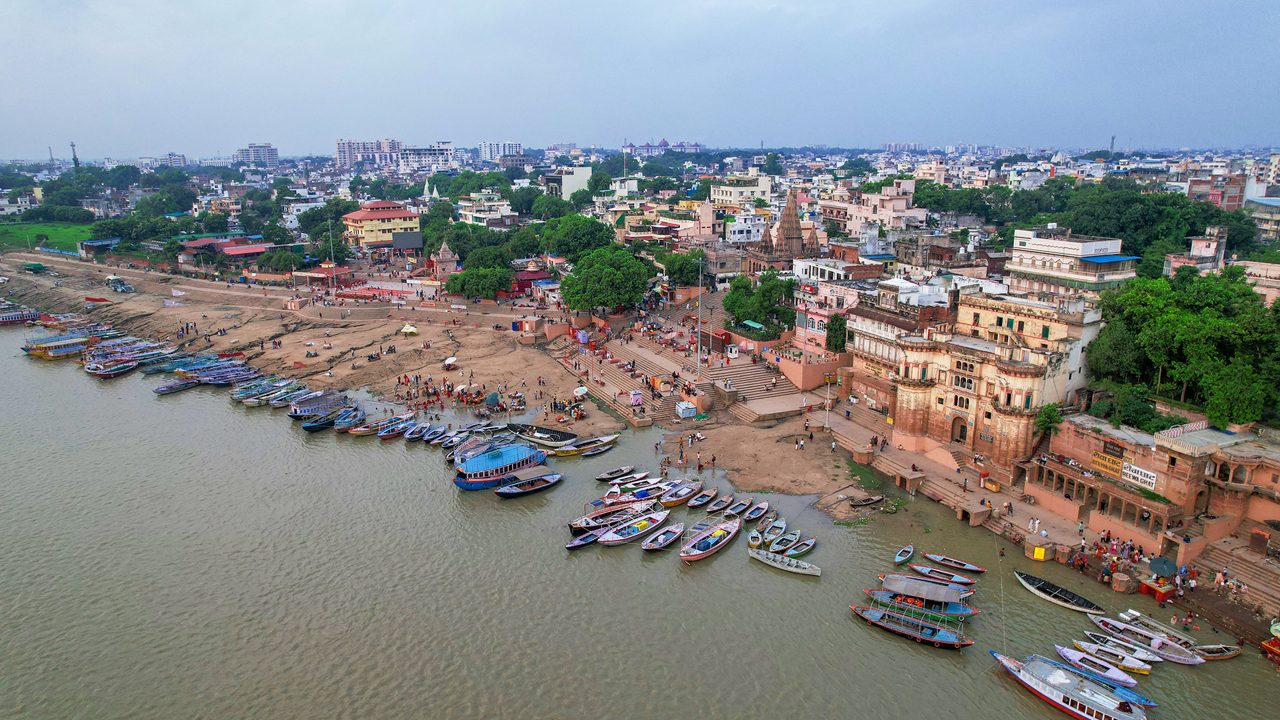
Assi Ghat, one of the most iconic ghats in Varanasi, is where the sacred Ganges meets the Assi River. It is a hub for spiritual seekers, offering yoga sessions, meditation spots, and daily rituals. The mesmerizing Ganga Aarti held here in the evenings attracts thousands. With a rich cultural and religious history, Assi Ghat remains a must-visit place for those exploring the spiritual essence of Varanasi.

Dashashwamedh Ghat, one of the most vibrant and sacred ghats of Varanasi, is famous for its grand Ganga Aarti, held every evening. According to legends, Lord Brahma performed ten Ashwamedha Yagnas here. The ghat bustles with pilgrims, sadhus, and tourists, offering breathtaking views of the Ganges. Its spiritual aura, rituals, and historical significance make it a major attraction, reflecting the timeless heritage and divine energy of Varanasi.
Dashashwamedh Ghat, one of the most vibrant and sacred ghats of Varanasi, is famous for its grand Ganga Aarti, held every evening. According to legends, Lord Brahma performed ten Ashwamedha Yagnas here. The ghat bustles with pilgrims, sadhus, and tourists, offering breathtaking views of the Ganges. Its spiritual aura, rituals, and historical significance make it a major attraction, reflecting the timeless heritage and divine energy of Varanasi.

Banaras Hindu University (BHU), established in 1916 by Pandit Madan Mohan Malaviya, is one of India’s premier educational institutions. Spanning over 1,300 acres in Varanasi, it houses prestigious faculties, including IIT-BHU, medical, arts, and science departments. The university is known for its academic excellence, cultural heritage, lush green campus, and vibrant student life. With a blend of modern education and traditional values, BHU continues to be a center of learning and research, attracting students worldwide. Its libraries, museums, and cultural festivals enrich academic life, while its alumni have made global contributions across fields.

Sankat Mochan Hanuman Temple, located in Varanasi, is a revered shrine dedicated to Lord Hanuman. Founded by saint Tulsidas in the 16th century, it is known for its divine energy and devotion-filled atmosphere. Thousands of devotees visit daily, especially on Tuesdays and Saturdays, to seek blessings and relief from troubles. The temple is famous for its special offerings of laddoos and the continuous recitation of the Hanuman Chalisa, creating a spiritually uplifting ambiance.
Sankat Mochan Hanuman Temple, located in Varanasi, is a revered shrine dedicated to Lord Hanuman. Founded by saint Tulsidas in the 16th century, it is known for its divine energy and devotion-filled atmosphere. Thousands of devotees visit daily, especially on Tuesdays and Saturdays, to seek blessings and relief from troubles. The temple is famous for its special offerings of laddoos and the continuous recitation of the Hanuman Chalisa, creating a spiritually uplifting ambiance.


Tulsi Manas Mandir, located in Varanasi, is a revered temple dedicated to Lord Rama. Built in 1964, it stands at the place where saint Tulsidas wrote the epic Ramcharitmanas. The temple’s walls are inscribed with verses from the scripture, narrating Lord Rama’s life. With its white marble structure and peaceful ambiance, it attracts devotees and scholars alike, offering a serene space for prayer, meditation, and the study of Hindu philosophy.

Manikarnika Ghat, one of the oldest and most sacred ghats in Varanasi, is believed to grant moksha (liberation) to those cremated here. According to Hindu mythology, Goddess Parvati’s earring (Manikarnika) fell here, making it a site of immense spiritual significance. The ghat remains active with funeral pyres burning day and night, symbolizing the eternal cycle of life and death. It is a powerful reminder of Varanasi’s deep-rooted connection with spirituality and salvation.
Manikarnika Ghat, one of the oldest and most sacred ghats in Varanasi, is believed to grant moksha (liberation) to those cremated here. According to Hindu mythology, Goddess Parvati’s earring (Manikarnika) fell here, making it a site of immense spiritual significance. The ghat remains active with funeral pyres burning day and night, symbolizing the eternal cycle of life and death. It is a powerful reminder of Varanasi’s deep-rooted connection with spirituality and salvation.


Ramnagar Fort, located on the eastern banks of the Ganges in Varanasi, is a historic 18th-century fort built by the Kashi Naresh (king of Varanasi). Known for its majestic architecture, the fort showcases a blend of Mughal and Hindu styles, featuring impressive gates, temples, and a museum. It is the residence of the royal family of Varanasi. The fort is famous for its serene surroundings and the annual Ramnagar Ramlila, a grand theatrical enactment of the Ramayana.

Shri Durga Temple, located in Varanasi, is a prominent Hindu temple dedicated to Goddess Durga. Also known as the Durga Kund Mandir, it is famous for its striking architecture and serene surroundings. The temple is built near a pond, with the idol of Goddess Durga in a sitting posture, symbolizing strength and protection. It is a popular place for worship, especially during the festival of Navratri, attracting devotees seeking blessings for power, courage, and protection.
Shri Durga Temple, located in Varanasi, is a prominent Hindu temple dedicated to Goddess Durga. Also known as the Durga Kund Mandir, it is famous for its striking architecture and serene surroundings. The temple is built near a pond, with the idol of Goddess Durga in a sitting posture, symbolizing strength and protection. It is a popular place for worship, especially during the festival of Navratri, attracting devotees seeking blessings for power, courage, and protection.

Sarnath, located near Varanasi, is a sacred Buddhist site where Lord Buddha delivered his first sermon after attaining enlightenment. It is home to the Dhamek Stupa, Mulagandha Kuti Vihar, and the Ashoka Pillar, symbolizing peace and wisdom. A major pilgrimage destination, Sarnath attracts visitors worldwide for its spiritual significance, ancient monasteries, and serene atmosphere. The site reflects India’s rich Buddhist heritage and continues to be a center for meditation and learning.

Ayodhya Temple, also known as Shri Ram Janmabhoomi, is a sacred Hindu shrine dedicated to Lord Ram, believed to be his birthplace. Located in Ayodhya, Uttar Pradesh, the temple holds immense religious and historical significance. The grand temple is designed in traditional Nagara-style architecture, symbolizing devotion and cultural heritage. Millions of devotees visit every year to seek blessings and witness the spiritual aura of this divine site, deeply rooted in Hindu mythology and faith.
Ayodhya Temple, also known as Shri Ram Janmabhoomi, is a sacred Hindu shrine dedicated to Lord Ram, believed to be his birthplace. Located in Ayodhya, Uttar Pradesh, the temple holds immense religious and historical significance. The grand temple is designed in traditional Nagara-style architecture, symbolizing devotion and cultural heritage. Millions of devotees visit every year to seek blessings and witness the spiritual aura of this divine site, deeply rooted in Hindu mythology and faith.

Prayagraj Sangam, the sacred confluence of the Ganges, Yamuna, and the mythical Saraswati rivers, is a major pilgrimage site in India. Located in Prayagraj (formerly Allahabad), it is revered for its spiritual significance, especially during the Kumbh Mela, the world’s largest religious gathering. Devotees take holy dips here to cleanse their sins and attain moksha. The serene atmosphere, combined with ancient rituals and vibrant fairs, makes Sangam a symbol of faith and devotion.

The Taj Mahal, located in Agra, Uttar Pradesh, is one of the most iconic monuments in the world and a UNESCO World Heritage Site. Built in the 17th century by Mughal Emperor Shah Jahan in memory of his beloved wife Mumtaz Mahal, this white marble masterpiece represents eternal love and architectural brilliance. Blending Persian, Islamic, and Indian styles, the Taj Mahal is admired for its symmetrical design, intricate carvings, and stunning domes. Millions of visitors from around the globe come to witness its beauty, especially at sunrise and sunset, when the monument glows with a magical hue.
The Taj Mahal, located in Agra, Uttar Pradesh, is one of the most iconic monuments in the world and a UNESCO World Heritage Site. Built in the 17th century by Mughal Emperor Shah Jahan in memory of his beloved wife Mumtaz Mahal, this white marble masterpiece represents eternal love and architectural brilliance. Blending Persian, Islamic, and Indian styles, the Taj Mahal is admired for its symmetrical design, intricate carvings, and stunning domes. Millions of visitors from around the globe come to witness its beauty, especially at sunrise and sunset, when the monument glows with a magical hue.

Delhi, India’s capital city, is a vibrant blend of history, culture, and modern life. Divided into Old Delhi and New Delhi, the city offers a unique mix of ancient monuments, bustling bazaars, grand colonial architecture, and contemporary urban developments. Iconic landmarks like the Red Fort, India Gate, Qutub Minar, and Lotus Temple attract millions of visitors each year. Delhi is also a gateway to India’s golden triangle, connecting to Agra and Jaipur. With its rich food culture, diverse traditions, and dynamic energy, Delhi is a must-visit destination for anyone exploring India.

Vrindavan, located in Uttar Pradesh, is a sacred town renowned as one of the most important pilgrimage sites for devotees of Lord Krishna. Steeped in history and spirituality, it is believed to be the place where Lord Krishna spent his childhood, enchanting the world with his divine leelas. The town is dotted with hundreds of ancient temples, including the famous Banke Bihari Temple, ISKCON Temple, and Prem Mandir, each reflecting devotion and architectural beauty. Vrindavan attracts millions of pilgrims and tourists every year who come to immerse themselves in its spiritual atmosphere, colorful festivals, and vibrant culture. The town truly embodies devotion, love, and timeless tradition.
Vrindavan, located in Uttar Pradesh, is a sacred town renowned as one of the most important pilgrimage sites for devotees of Lord Krishna. Steeped in history and spirituality, it is believed to be the place where Lord Krishna spent his childhood, enchanting the world with his divine leelas. The town is dotted with hundreds of ancient temples, including the famous Banke Bihari Temple, ISKCON Temple, and Prem Mandir, each reflecting devotion and architectural beauty. Vrindavan attracts millions of pilgrims and tourists every year who come to immerse themselves in its spiritual atmosphere, colorful festivals, and vibrant culture. The town truly embodies devotion, love, and timeless tradition.

Khatushyam Ji, located in the Sikar district of Rajasthan, is a revered pilgrimage site dedicated to Lord Shyam, an incarnation of Barbarika from the Mahabharata. The temple is famed for its spiritual significance and the legend of Khatushyam’s blessing to devotees, offering faith, hope, and miracles. Built with beautiful architecture, the temple attracts thousands of pilgrims, especially during the Phalgun Mela, when the town comes alive with devotion, rituals, and celebrations. Devotees from across India visit Khatushyam Ji to seek blessings, fulfill wishes, and experience the divine aura of this sacred site.
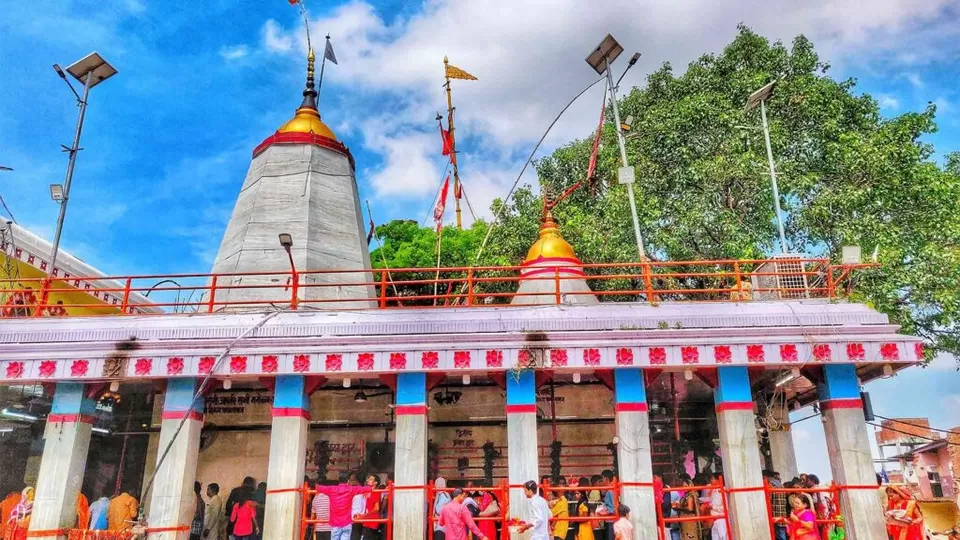
Vindhyachal, located in Mirzapur district of Uttar Pradesh, is a sacred town known for the famous Vindhyavasini Devi Temple, dedicated to Goddess Vindhyavasini, an incarnation of Goddess Durga. Renowned for its spiritual significance, the temple attracts millions of devotees, especially during Navratri, seeking blessings, prosperity, and divine protection. Surrounded by the picturesque Vindhya Hills and the holy Ganges River, Vindhyachal offers a serene atmosphere, religious fervor, and stunning landscapes. Pilgrims visit to experience devotion, participate in rituals, and witness the spiritual aura of this revered destination.
Vindhyachal, located in Mirzapur district of Uttar Pradesh, is a sacred town known for the famous Vindhyavasini Devi Temple, dedicated to Goddess Vindhyavasini, an incarnation of Goddess Durga. Renowned for its spiritual significance, the temple attracts millions of devotees, especially during Navratri, seeking blessings, prosperity, and divine protection. Surrounded by the picturesque Vindhya Hills and the holy Ganges River, Vindhyachal offers a serene atmosphere, religious fervor, and stunning landscapes. Pilgrims visit to experience devotion, participate in rituals, and witness the spiritual aura of this revered destination.
